Operation Restoration Launches Major Aid Effort for Women Leaving Prison in Lake Charles
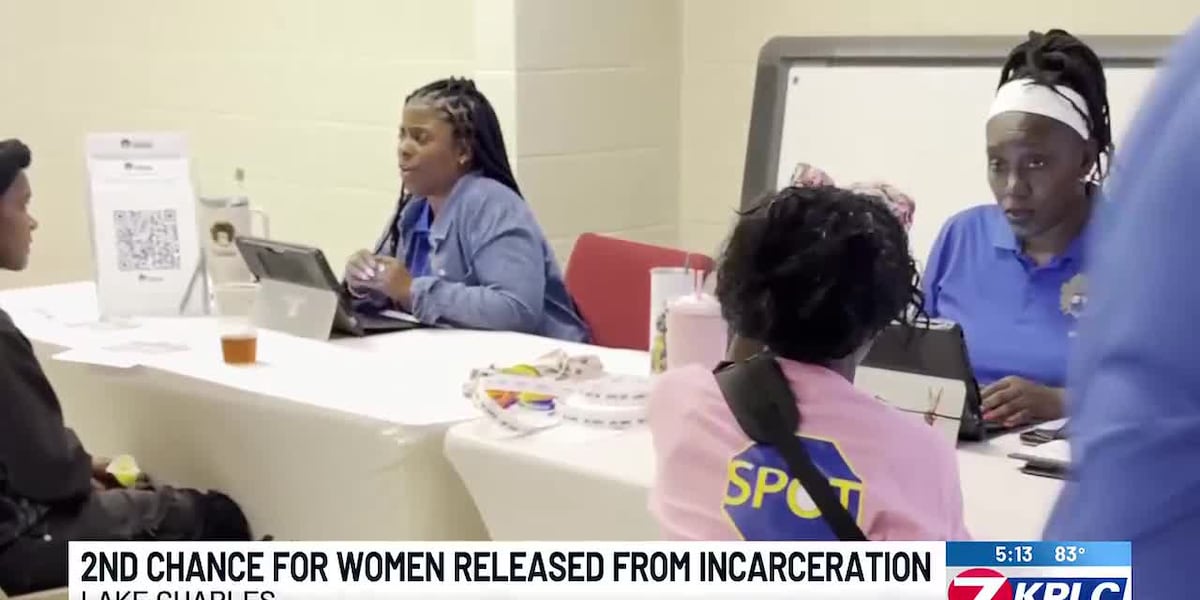
Lake Charles, Louisiana – Today marks a critical step forward for women recently released from incarceration as Operation Restoration brought its second-chance-month pop-up event to Lake Charles, providing urgent and comprehensive support services.
This initiative targets one of the most overlooked populations in the criminal justice system—women reentering society. With over 190,000 women incarcerated nationwide and nearly 4,000 in Louisiana, the barriers to successful reintegration remain significant.
At the pop-up event, women accessed essential resources including valid IDs, transportation help, hygiene products, food assistance, cell phones, and bill aid—all designed to remove immediate obstacles that can derail a fresh start. Montrell Carmouche, Senior Advisor for Quality Care Innovation at Operation Restoration, emphasized the urgent need for this support locally.
“People forget about people down in the deeper side of Louisiana. We wanted Lake Charles to know that we see them, we hear them, we feel them, we support them,” Carmouche told local media.
Operation Restoration, active for over a decade, has now helped more than 17,000 individuals across the country navigate their post-release challenges. But Carmouche notes that women face unique challenges even compared to their male counterparts.
“The biggest obstacle is really visibility,” she said. “Men are the face of incarceration. When a woman is released from prison, she is often not afforded the same opportunities.” Carmouche’s experience underscores this reality—after serving 19 years in federal prison, she personally knows how critical support is.
She delivered a powerful message to women struggling silently after release:
“Please don’t be ashamed. Please don’t feel bad. Please don’t feel less than. We want to support you. And I want you to know, second chances do exist. I got mine.”
The Broader Impact: Breaking Barriers and Changing Paths
Beyond direct aid, the organization stresses the importance of community compassion and opportunity as factors that can steer individuals away from cycles of incarceration. Carmouche warns youth especially to resist the glamorization of destructive lifestyles often portrayed on social media.
“One ego, one impulse can land you in prison for the rest of your life,” she said, urging people to ask for help and take available chances seriously.
For Nevada and other states, the work of Operation Restoration highlights an essential model for promoting justice reform and reducing recidivism by addressing the specific needs of women following incarceration. Given that many states, including regions in the West, face rising incarceration rates and uneven support systems, successful interventions in places like Lake Charles could serve as blueprints nationwide.
Operation Restoration’s year-round programs cover bail payment assistance, education, re-entry guidance, and holistic support, signaling a long-term commitment to reshaping outcomes for formerly incarcerated individuals.
Women in need of help can access services directly through Operation Restoration, an option Carmouche urges women everywhere to consider.
What’s Next?
The pop-up in Lake Charles is part of a nationwide campaign by Operation Restoration. Stakeholders and advocates expect this initiative to drive greater awareness, encourage other communities to embed similar support systems, and foster collaboration between nonprofits, government agencies, and local partners.
As the public conversation on criminal justice reform grows, programs like these prove critical to translating policy into real-world change for thousands of women nationwide.
For more information or to connect with Operation Restoration services, visit their official website.