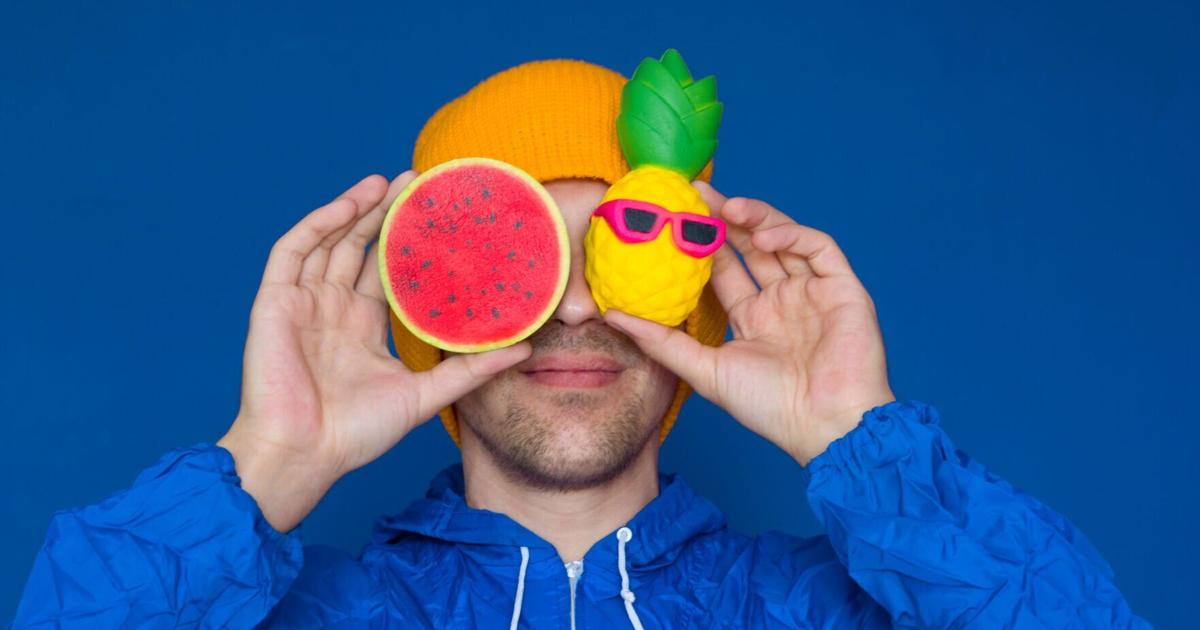
The trinket trend is sweeping across households in Nevada and the entire United States, driving a surge in sales of small collectibles like Owala water bottles, Jellycat plushies, NeeDoh squeeze toys, and Labubu monsters. This CULTURAL PHENOMENON is no longer just children’s play but a multi-generational shopping frenzy that experts say is shaping consumer behavior in 2026.
MaryLeigh Bliss, chief content officer at youth research firm YPulse, revealed during this year’s National Retail Federation’s State of Retail & the Consumer event that more than half of Gen Zers doubt economic improvement soon. Facing high living costs and job market challenges, many are seeking “small pieces of joy” through frequent, affordable buys like trinkets.
“It’s not necessarily that huge splurge, but the more consistent purchases, that they can have that little dopamine hit to kind of get through the weeks,” Bliss explained. The appeal? These items cost as little as $5, such as NeeDoh toys, or $15 for popular Funko POP! figures, making them accessible mood boosters for shoppers in tough economic times.
Trinket Craze Is a $15 Billion Wave Driven by Gen Z and Gen Alpha
More than 90,000 monthly Google searches for terms like “NeeDoh,” “sensory toy,” and “squishies” point to explosive interest nationwide. Gen Alpha children, in particular, are fueling demand for sensory toys that provide both entertainment and stress relief. Meanwhile, adults are embracing “kidulting”—engaging in nostalgic collecting to combat everyday pressures.
Licensed mental health counselor Kiki Jacobson from Wilmington, North Carolina, highlights that beyond joy, trinkets help many regulate emotions, especially those with ADHD or autism. “Collecting these tiny treasures can also foster connection,” Jacobson said, noting how exchanging keychains or bag charms creates social bonds for kids and adults alike.
But the Trend Brings Clutter and Spending Concerns
Despite the fun and comfort, the trinket trend is not without downsides. Consumers often underestimate how quickly costs add up, resulting in buyers spending more than intended. Popular items like Labubu monsters are becoming scarce, with some rare pieces fetching hundreds or even thousands of dollars on resale markets.
Parents report homes overflowing with squishies and charms, leading to clutter and daily stress. Keychains fall off backpacks, toys get lost or destroyed, and accidental breakages—like one NeeDoh pop releasing water beads across a family car—can cause frustration.
One Nevada parent commented, “It starts with a few toys, then suddenly we have dozens cluttering every surface, and the fighting begins.” This adds to the juggling act that families face between embracing trends and managing household chaos.
Experts Offer Guidance to Navigate the Trinket Trend Responsibly
Financial counselors urge consumers to avoid impulse buys driven by social media hype. “Don’t rush just because something is viral,” advises Jacobson. Setting spending limits and prioritizing purchases that genuinely bring joy can prevent regret and financial strain.
Some savvy shoppers find relief by opting for off-brand alternatives or participating in free local swap groups on social media. Trinket trade boxes and community events offer low-cost or no-cost avenues to stay in the trend while avoiding clutter and overspending.
With retailers reporting sustained demand and social media platforms amplifying product “drops” and unboxing videos, the trinket trend shows no sign of slowing. For millions, these tiny collectibles provide brief escapes and moments of happiness amid ongoing economic uncertainty.
The key challenge for families in Nevada and beyond will be balancing these affordable joys with financial health and home organization as the craze continues to build momentum nationwide.