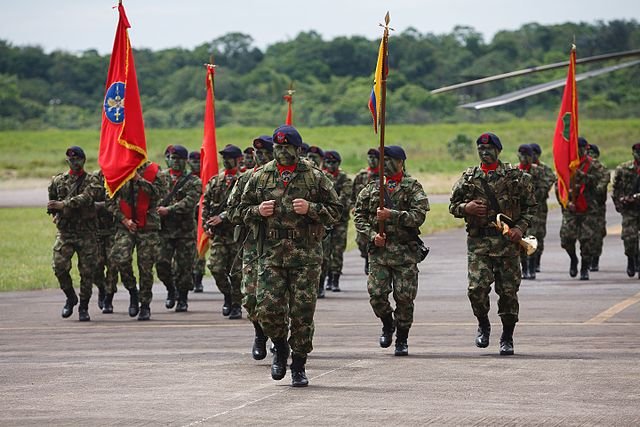
Human Rights Watch (HRW) has condemned the escalating human rights abuses committed by armed groups in Colombia’s southern state of Putumayo, particularly targeting Indigenous communities. In a statement released on September 29, 2023, HRW emphasized that these violations disproportionately affect innocent civilians as armed factions exploit ongoing peace negotiations to consolidate their control over the region.
During her remarks, Juanita Goebertus, HRW’s Americas Director, noted that armed groups are using the peace talks as a facade to impose their own authority. She stated, “Armed groups in Putumayo are using the peace talks as an opportunity to tighten their control over the population … While the peace talks focus on decreasing coca crops, armed groups are imposing their own rules in Putumayo and severely punishing those who disobey.”
Conditions in Affected Regions
HRW’s findings stem from a September assessment of several areas impacted by armed violence, including Puerto Asís, Mocoa, Orito, and La Hormiga. Residents expressed profound fear of retaliation from armed groups, revealing that they often felt compelled to bury homicide victims’ bodies to hide the scale of the violence. The pervasive atmosphere of fear has reportedly coerced villagers into participating in protests, such as “Araña,” which called for the release of leaders from armed groups, including Geovany Anés Rojas.
Moreover, testimonies from Indigenous authorities and humanitarian workers highlighted alarming practices such as the forced recruitment of child soldiers from rural boarding schools and through social media platforms. Armed groups have also imposed curfews and restrictions on the cultural expressions of Indigenous communities, further aggravating the humanitarian crisis.
Government Response and Ongoing Challenges
The situation in Putumayo, which borders both Ecuador and Peru, has persisted despite efforts from the Colombian government, led by President Gustavo Francisco Petro Urrego, to initiate peace talks in 2023. This initiative aims to establish clearer dialogues with armed groups perceived to have both political and criminal motives, focusing on reducing violence in exchange for judicial concessions.
Despite recent agreements reached with the armed group Estado Mayor of Blocs and Fronts (EMBF), which include commitments to de-escalate conflicts and prioritize land access, HRW has asserted that these measures are insufficient. The organization highlights that ongoing abuses, particularly against children, remain a significant concern.
A UN Security Council report released in early 2024 corroborated HRW’s findings, detailing horrific abuses against children, including attacks on schools and kidnappings. The report indicated that Indigenous children and those of African descent in rural areas are particularly vulnerable to sexual violence and physical abuse, with some tragically losing their lives in the crossfire of ongoing conflicts.
Additionally, the report noted a staggering increase in mass displacement in Putumayo, which surged over 1,000 percent from 2022 to 2023, severely disrupting the livelihoods of local civilians. As the Colombian government and armed groups continue to negotiate, the urgent need for protective measures for vulnerable populations, especially Indigenous communities, remains critical. The situation calls for heightened international attention and action to address the ongoing violence and human rights violations in the region.