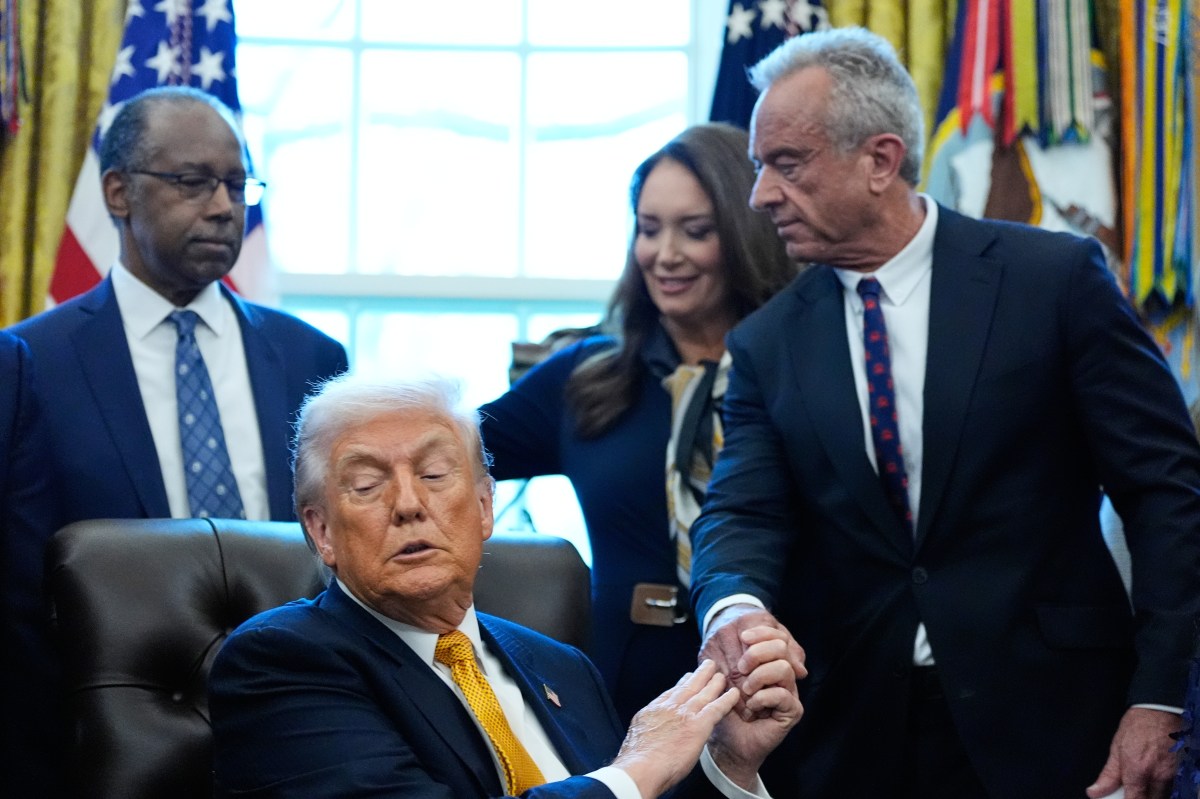
President Donald Trump presented his new health care proposal, dubbed the “Great Healthcare Plan,” on March 15, 2024. This initiative comes as Republican lawmakers grapple with escalating medical costs and increased insurance premiums following the expiration of key federal subsidies. The plan aims to address rising health care expenses while seeking support from Congress.
A significant element of the proposal involves linking U.S. drug prices to the lowest rates paid in other countries. The White House claims this strategy will help control costs for American consumers. Additionally, the plan proposes the use of health savings accounts to provide direct financial assistance to Americans. Critics from the Democratic party have labeled this approach as insufficient for covering the high costs associated with healthcare.
Trump’s proposal also includes a commitment to reduce insurance premiums. This would be achieved by reinstating cost-sharing payments to insurers, which analysts indicate might lower some prices but could lead to increased overall costs for other consumers. The timing of this announcement coincided with the final day for many Americans to select an Affordable Care Act health plan, as the lapse of federal subsidies is expected to drive costs even higher.
As lawmakers in Washington continue to debate the future of healthcare funding, they remain divided on whether to restore the aid that had previously kept premiums manageable for millions of enrollees. This political impasse has created uncertainty about how to tackle the ongoing issues of rising healthcare costs. Insurers and analysts have warned that many consumers may soon face higher medical bills, intensifying the urgency for a resolution.
The landscape of American healthcare remains fraught with challenges as the expiration of subsidies and the political stalemate contribute to a more complex environment for both consumers and lawmakers. With no clear path forward, the “Great Healthcare Plan” faces scrutiny and skepticism as it attempts to address these pressing concerns. Further updates will follow as the situation develops.