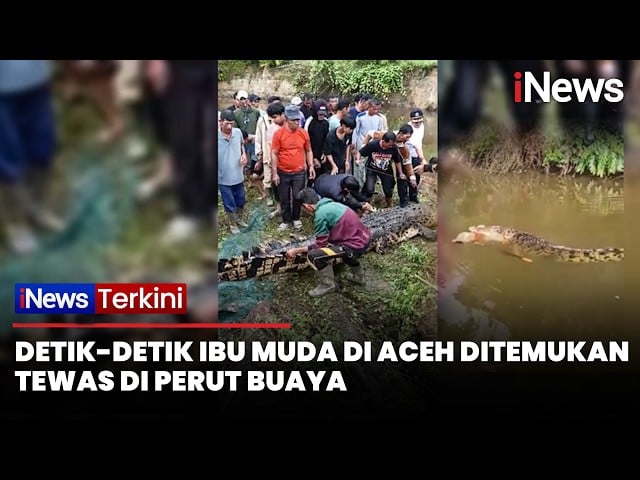
URGENT UPDATE: A tragic incident has unfolded in Bulu Hadek Village, located in the Teluk Dalam District of Simeulue, Aceh, where a local shell collector was killed by a 4-meter crocodile. This shocking event occurred earlier today, on October 15, 2023, sparking immediate concern among residents and authorities.
Local officials report that the victim, a man in his mid-thirties, was collecting shells along the shoreline when he was attacked. Eyewitnesses described the horrifying scene as the crocodile lunged from the water, overpowering the shell collector in seconds. Emergency services were dispatched promptly, but unfortunately, they arrived too late to save him.
This incident highlights the dangers posed by wildlife in the region, especially as local fishing and shell collection activities increase. The Simeulue area is known for its rich marine biodiversity, but encounters with crocodiles are becoming more frequent as their habitats overlap with human activities.
Authorities Confirm: Local wildlife officials are urging residents to exercise caution when near waterways and to report any crocodile sightings. They are also assessing the situation to determine the presence of other crocodiles in the area, ensuring that safety measures are put in place to prevent further tragedies.
The local community is in shock, mourning the loss of a beloved member. Friends and family have expressed their grief, emphasizing the victim’s dedication to his work and his warm personality. This incident serves as a reminder of the risks faced by those who engage in outdoor activities near natural habitats.
As investigations continue, officials will hold a meeting to discuss potential measures, including signage to warn the public and educational campaigns to raise awareness about wildlife safety. Residents are advised to stay vigilant and informed as the situation develops.
Stay tuned for further updates as more information becomes available. This incident underscores the urgent need for wildlife safety awareness in Aceh and similar regions, as human-wildlife interactions become more common.