Apple and Google Lead Tracking Tag Battleground After Network Boosts
New tests reveal a dramatic shift in tracking tag performance with Apple and Google now operating near-equal, superior networks that eclipse Samsung and other competitors in speed, accuracy, and reliability.
Apple’s Airtags and Google’s recently improved Find Network, launched alongside the Motorola Moto Tag, deliver nearly instantaneous location updates—a critical advantage for millions relying on these gadgets to track valuables across Nevada and nationwide.
Google and Apple Close Performance Gaps
While Apple pioneered the market with its Find Network, Google only recently fixed its initial rollout issues by enabling a broader base of Android devices to participate effectively in location reporting. This upgrade means Android users nationwide, including in Nevada, help power a robust tracking mesh comparable to Apple’s established system.
The key innovation lies in the Bluetooth-enabled tags themselves, which connect to nearby phones to report GPS location without direct cellular connections. This design maintains long battery life—often around a year using standard CR2032 batteries—while leveraging millions of smartphones to share live location data.
Samsung’s Smarttag Lags in Updates and Coverage
By contrast, Samsung’s Smarttag system, limited to select Galaxy phones’ proprietary network, has shown frequent delays and large gaps between updates. Recent field tests recorded stretch gaps of several hours without location updates, including during a critical charging stop at Beijing airport. Meanwhile, Apple and Google continued to report accurately in real time.
This shortfall highlights a key consumer risk: lost or stolen items tracked via Samsung tags face lower chances of quick recovery due to less frequent position reporting.
Security Measures Against Illegal Tracking Tighten
The rising ubiquity of tracking tags has raised privacy alarms. In response, Apple, Google, Samsung, Tile, Chipolo, and others have implemented safeguards that notify smartphone users if an unknown tag appears to be following them. These alerts come with clear guidance to prevent unauthorized tracking—an important feature protecting personal safety across communities in Nevada and the US.
Chipolo Emerges as Versatile Alternative
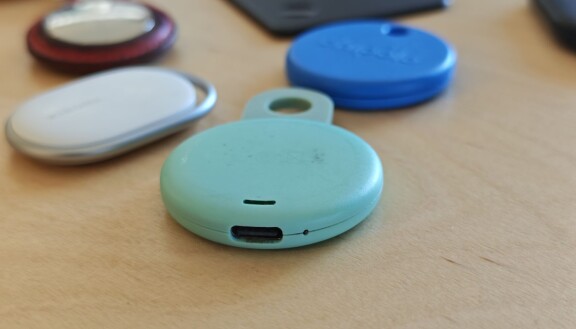
Chipolo tags stand out for supporting both Apple’s and Google’s Find Networks (though not simultaneously connected). Their models, including Loop and Card, offer rechargeable options with wireless and USB-C charging, eliminating battery replacement hassles. Additional functions like remote phone ringing and photo triggering further enhance utility.
Chipolo also adds a proximity warning feature for Android users, partially offsetting Google’s network’s lack of native alert functionality when users walk away from their tags. This feature improves theft prevention and item recovery chances, critical for users balancing cross-platform ecosystems.
Design, Durability, and Practicality
Most tags share a compact, round design favored for key rings, but quality accessories are often required to secure them. Chipolo’s built-in loop tags and card-shaped models cater well to wallets and passports, making everyday use easier. Tags are generally rated IP67 for water and dirt resistance, ensuring durability outdoors—ideal for bikes and outdoor gear, although Bluetooth signals cannot penetrate water while submerged.
What This Means for Consumers Right Now
For Americans relying on item trackers, the latest test results send a clear message: Apple and Google networks now deliver the best real-time tracking performance, backed by millions of devices effortlessly reporting tag locations.
For buyers, choosing tags supporting both ecosystems—for example from Chipolo—offers flexibility without locking in a single platform, a practical benefit in today’s rapidly shifting smartphone market.
Consumers should remain vigilant about potential security risks and ensure device alerts are activated. The collaborative tech industry response to illegal tracking strengthens consumer confidence in using these devices daily.
Looking Ahead
With Google’s Find Network steadily evolving and Apple expanding its ecosystem, competition will intensify, potentially spurring faster updates and new features nationwide. Nevada consumers and U.S. users should monitor emerging updates for changes affecting device compatibility, security protections, and tracking effectiveness.
Meanwhile, Samsung faces a critical challenge to rebuild consumer trust and improve its positional update speeds to stay relevant.
The technology revolutionizing how Americans keep track of their valuables is unfolding now—and the winners appear clear for anyone seeking reliable, instant location updates with minimal hassle.