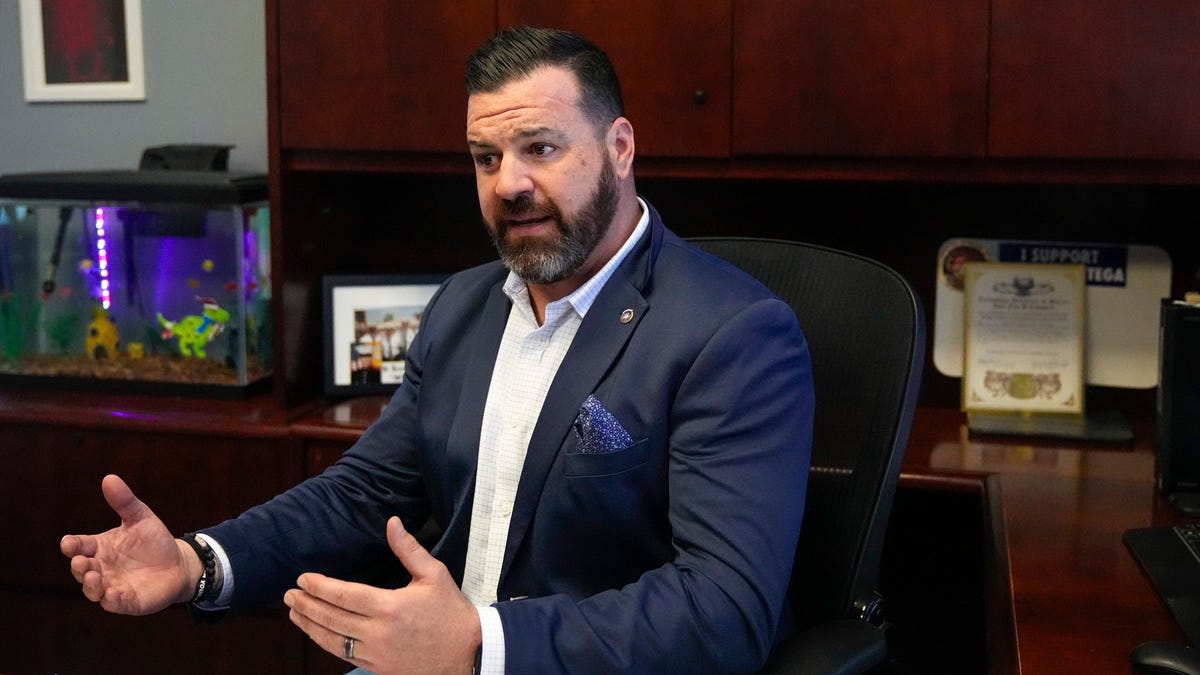
FOP President’s Racist Remark Ignites Fury After Reckless Homicide Verdict
The president of the Fraternal Order of Police Capital City Lodge 9, Brian Steel, has come under fire for a racially charged and divisive remark following the reckless homicide conviction of former deputy Jason Meade in the shooting death of 23-year-old Casey Goodson Jr.
Steel referred to attorney Sean Walton—the Goodson family’s lawyer and local NAACP president—as a “poverty pimp” sporting a “$3,000 suit,” an incendiary phrase sparking immediate backlash for its racist overtones. The comment threatens to widen community tensions at a time when unity and healing are desperately needed.
Conviction a Rare and Painful Moment in Police Accountability
The Meade verdict is among the few instances where a law enforcement officer has been convicted for lethal use of force, a disturbing statistic that signals how rare accountability remains nationwide. While the conviction is a milestone, civil rights experts emphasize it does not signal sweeping progress.
“Historically, very few officers faced charges, let alone conviction, for deadly force,” says Judson L. Jeffries, a professor of African American and African studies at Ohio State University. “This conviction is the exception, not the rule.”
On a December day in 2020, Meade fired multiple shots into Goodson’s body, including five bullets to his back, as revealed by the autopsy. The tragic killing devastated Goodson’s family and shocked the Franklin County community.
FOP Comments Stoke Old Wounds, Threaten Community Trust
Steel’s statement declaring the only “winner” to be Walton not only dismisses the seriousness of Goodson’s death but also insults those seeking justice. The phrase “poverty pimp” has long been criticized as a racist stereotype designed to discredit African American activists and advocates, deepening mistrust between law enforcement and communities of color.
“The FOP leader’s incendiary words were reminiscent of an era that is making a comeback,” Jeffries told the Columbus Dispatch. “An era I have no interest in revisiting or tolerating.”
Many see Steel’s comments as undermining efforts to build bridges and heal from years of racial injustice and violence. The remarks arrived amid a nationwide reckoning on police misconduct and racial inequality ignited by high-profile cases like George Floyd’s death.
Families of Both Victim and Officer Mourn Amid Pain and Division
Steel acknowledged the losses suffered by both the Goodson family and Meade’s loved ones, though critics argue the former deputy’s reckless actions forced the anguish on his family. The community remains deeply shaken as stakeholders call for renewed dialogue and accountability.
For many across Nevada and the country, the case highlights the continuing challenge of reforming law enforcement culture and remedying systemic racism. The fallout from Steel’s remarks may further complicate already fragile relationships between police and the public.
What’s Next: Calls for Accountability and Healing
As reaction intensifies in the wake of Steel’s comments, NAACP leaders and civil rights advocates demand an apology and clearer commitment to rebuilding trust. The incident underscores the urgent need for conscious leadership in law enforcement organizations nationwide.
With police accountability measures still in flux and communities grappling with deep wounds from excessive use of force, experts warn this is a pivotal moment for meaningful change or further entrenched division.
Stay with The Nevada Voice for continuing coverage on police reform, racial justice, and community impact stories shaping Nevada and the United States.