ICE Ends Controversial Accelerated Training, Returns to 72-Day Program
U.S. Immigration and Customs Enforcement (ICE) is scrapping its shortened 42-day training program for new deportation officers and reinstating a 72-day instruction period starting July 1, two Department of Homeland Security officials revealed Wednesday.
The decision comes after widespread criticism from Democrats, former law enforcement officials, and whistleblowers who warned that the rush to field new agents compromised officer readiness during record enforcement efforts. ICE’s hiring surge doubled its force to more than 22,000 immigration officers, stretching training resources thin under the previous accelerated model.
Training Cuts Spark Outrage and Safety Worries
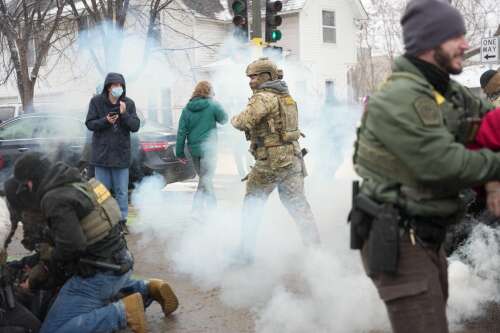
Last fall, ICE drastically cut initial instruction from the traditional 72 days to just 42 days, a move condemned on Capitol Hill and by public safety advocates. Officials questioned whether recruits received sufficient firearms training, use-of-force guidelines, and education on First Amendment rights for suspects and protesters in the communities where ICE operates.
Former ICE instructor Ryan Schwank testified in February that the agency slashed nearly half of the mandatory 580 hours of training, including essential classes on legal boundaries and arrest protocols. Schwank’s revelations, backed by internal documents obtained by The Washington Post, heightened calls to restore rigorous training standards immediately.
“ICE officers go through rigorous on-the-job training and mentorship,” the agency stated Wednesday, reiterating previous claims that recruits did not receive watered-down instruction despite reports.
Still, DHS Secretary Markwayne Mullin, appointed in late March, has pledged substantial reforms to rebuild trust after fatal shootings by immigration officers in Minneapolis earlier this year triggered public outrage. He demands officers obtain judicial warrants before entering private homes, reversing last year’s policy permitting warrantless administrative searches.
Restoring Standards Amid Enforcement Shift
The reinstatement of the longer training program aligns with an evolving ICE enforcement approach. While congressional Republicans provided $170 billion to expand detention and deportation capacity, DHS data shows a decline in aggressive community sweeps and arrests in big cities, including Minneapolis. Arrests dropped from peaks above 800 daily in December to fewer than 500 in March, according to an American Immigration Council analysis.
ICE held 60,311 immigrants in detention in early April, down from a high of 70,766 in January, marking a subtle yet notable shift in strategy amid heightened scrutiny and leadership changes.
For Nevada, home to significant immigrant populations and ICE enforcement activity, these developments signal potential shifts in how immigration laws are implemented on the ground. Longer training could mean better prepared officers with heightened focus on legal compliance and community interactions, possibly affecting enforcement outcomes statewide.
What’s Next for ICE Training and Enforcement?
ICE’s reversal is under close watch as the agency balances demands from immigration hard-liners wanting aggressive enforcement with public and political pressure to uphold rights and safety. This week’s announcement signals a commitment to rebuild operational rigor with a longer training regimen at the Federal Law Enforcement Training Center in Glynco, Georgia.
Experts and advocates will be watching for measurable improvements in officer conduct and community relations as the 72-day program takes effect. Meanwhile, Congressional oversight is expected to intensify amid ongoing debates over immigration enforcement priorities and human rights protections nationwide.
Stay tuned to The Nevada Voice for breaking updates on ICE policy changes and immigration enforcement impacts across Nevada and the U.S.