Good Housekeeping Institute is exposing the exact process behind its thorough washing machine testing to help consumers navigate the crowded market and buy with confidence right now.
Picking a washing machine is a major investment that many Americans face, especially in states like Nevada where energy costs and appliance reliability matter dearly. The Good Housekeeping Institute’s Home Care Cleaning Lab uses industry-standard methods set by the Association of Home Appliance Manufacturers to run controlled, repeatable tests across cycles, load sizes, and brands.
How Washing Machines Are Put to the Ultimate Test
Before testing, the Institute’s team conducts deep market research, attending trade shows and consulting manufacturers to ensure the latest models and innovations are evaluated. Once ready, machines go through rigorous wash tests that analyze key factors like cleaning power, gentleness, water extraction, cycle speed, and efficiency.
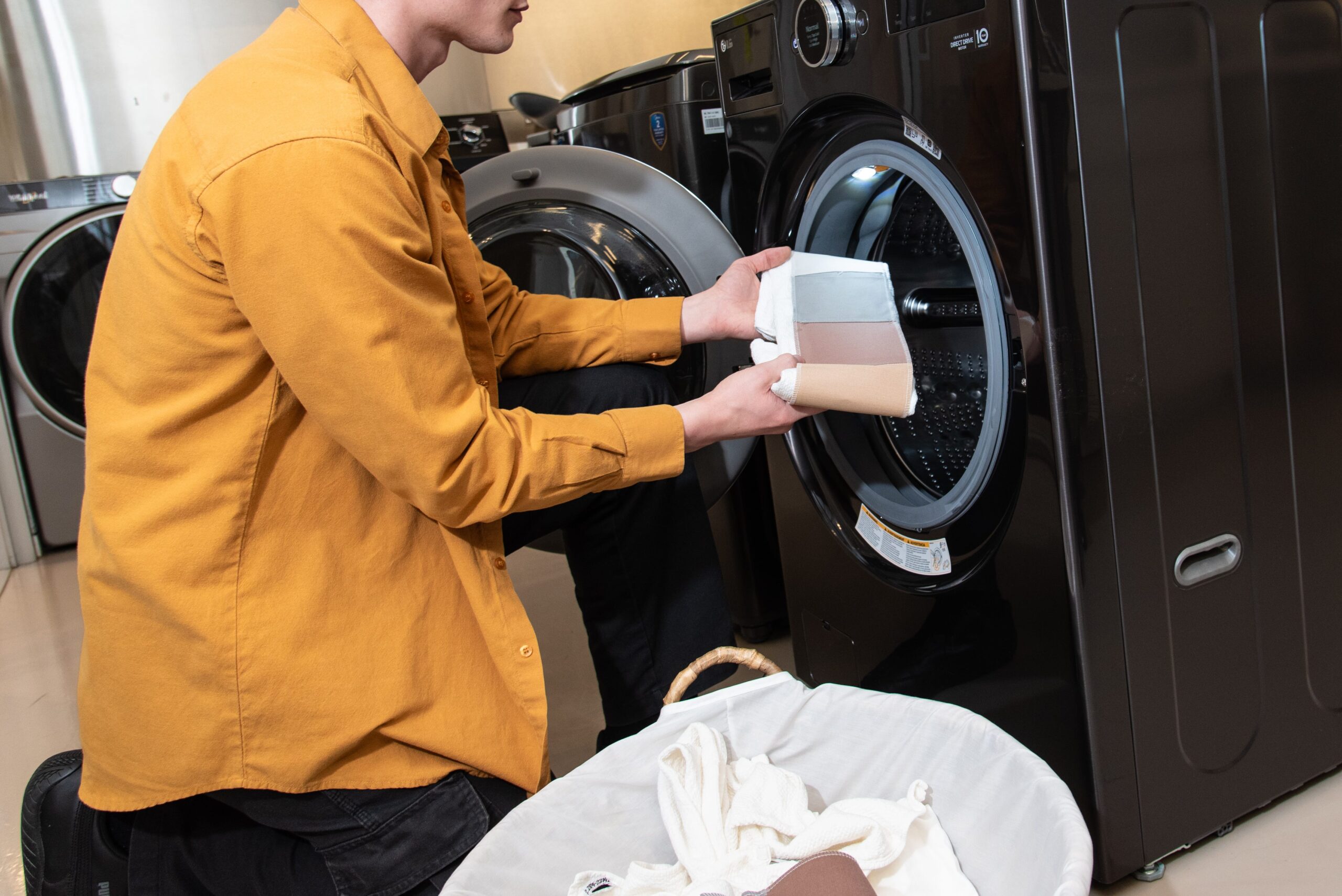
To test cleaning, researchers attach pre-made stain strips replicating body oil, wine, blood, and other tough spots to towels and sheets in a standard load. After the cycle, the team uses a precise colorimeter to measure how effectively stains are removed—a key indicator of cleaning strength.
Machines are also tested for fabric care using delicate cotton swatches with tiny holes to count frayed threads after washing. More frays mean harsher treatment, highlighting potential fabric damage from aggressive cycles.
Water removal efficiency is gauged by weighing loads before and immediately after washing to determine how much moisture remains, reducing dryer time and energy use. Cycle speed is recorded for every setting and load size to generate an overall rating, critical for busy households who value fast turnaround times.
User Experience and Efficiency Matter Just as Much
The lab doesn’t stop at internal mechanics. Testers score each machine for ease of use—evaluating controls, cycle customization, door design, detergent dispensers, and drum visibility. Models that make laundry simpler earn higher marks.
Lab analysts also assess energy and water consumption, weighing operational costs against performance to recommend washers that deliver true value for their price and capacity.
Real-World Insights from Consumer Testing
Following lab evaluation, select washing machines are distributed to staffers nationwide for home testing. These consumer testers report on long-term durability, noise levels, convenience, and day-to-day satisfaction, revealing issues standard tests might miss.
This comprehensive approach combines cutting-edge lab science with practical home feedback to highlight washers that perform reliably and maintain efficiency over time.
Why This Matters to Nevada and U.S. Buyers Now
With rising utility costs and a flood of options, Nevada residents and American consumers face tough decisions buying new washers. Good Housekeeping’s transparent methodology breaks down technical claims, sniffing out models that truly excel and protect wardrobes. This insight saves time, headache, and hard-earned dollars for households looking for both power and gentle care in one machine.
As new washing machines hit the market, buyers can trust this ongoing, in-depth testing to guide critical purchase decisions—ensuring cleaner clothes, less wear and tear, and lower energy bills starting today.
The Good Housekeeping Institute confirms it will continue tracking advancements and providing current recommendations so shoppers across the U.S., including Nevada, stay informed and confident in the laundry room.