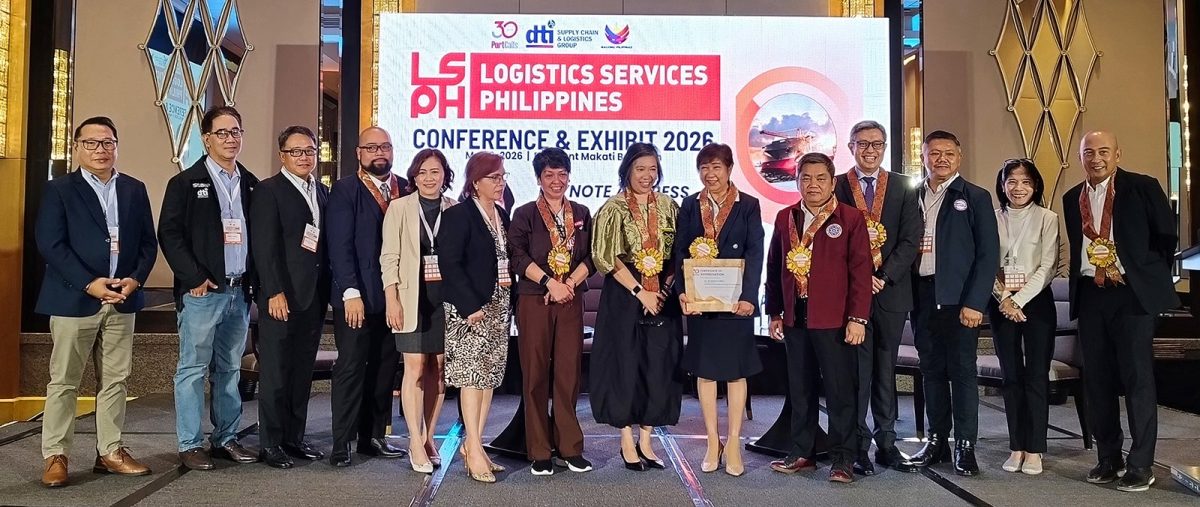
Nearly 200 logistics experts and government officials convened at the Logistics Services Philippines (LSPH) Conference & Exhibit 2026 on May 6 in Manila, igniting urgent action to dismantle supply chain bottlenecks and slash nationwide logistics costs.
Held at the Fairmont Makati, this premier event served as the nexus for policymakers and private sector leaders to strategize how to optimize freight movement, upgrade infrastructure, accelerate digitalization, and advance green logistics within the Philippines—a crucial hub for global trade routes affecting the Indo-Pacific region.
High-Level Government Call for Sweeping Reforms
Rosemarie Edillon, undersecretary of the Department of Economy, Planning, and Development (DepDev), opened the conference with a compelling keynote urging industry stakeholders to collaborate with the government to resolve regulatory hurdles dragging down logistics efficiency. “Let’s work together towards having a very efficient logistics sector. Let us know what you want…” she said, pressing for immediate and long-term solutions.
Supporting this vision, DepDev Assistant Secretary Roderick Planta revealed ongoing efforts to craft the Philippine Transportation System Master Plan, a comprehensive national framework aimed at revitalizing cargo and passenger transport systems, signaling imminent regulatory and infrastructure upgrades.
Closing the event, Mary Jean Pacheco, undersecretary of the Department of Trade and Industry–Supply Chain and Logistics Group (DTI-SCLG), emphasized the conference’s role in pinpointing actionable interventions to stimulate sector growth amid global economic uncertainties.
Critical Panel Discussions Target Logistical Pinch Points
The conference featured five intense panel sessions addressing urgent components of the supply chain:
- Logistics Optimization: Leaders tackled disjointed regulations and soaring fuel costs impacting shipping. Rina Papa and Mark Matthew Parco called for unified policies, while aviation leaders like Samuel David highlighted digital transformation’s role.
- Infrastructure: Experts like Pierre Carlo Curay stressed massive port and transport upgrades to reduce costs, with Phillip Marsham linking port power to national economic growth.
- Digitalization: Government officials, including ICT Secretary Henry Aguda, outlined accelerated digital strategy deployment, while private sector CIO Leonardo Sacamos shared innovations shaping next-gen logistics systems.
- Trade Facilitation: Key customs and transport executives revealed new programs to streamline procedures and enhance export-import flow, crucial to maintaining competitiveness.
- Green Logistics: Conversations rounded out with sustainable energy initiatives led by Patrick Aquino from the Department of Energy paired with electric vehicle transition insights from private sector advocates.
Private Sector & Industry Giants Push the Envelope
Major sponsors and exhibitors — including FedEx, Asian Terminals Inc., LBC Express, and InterCommerce — showcased cutting-edge solutions addressing the evolving needs of Philippine and global supply chains, signaling increased investment and innovation across the sector.
Why This Matters to US and Nevada Readers
The Philippines functions as a vital maritime and air logistics hub in the Asia-Pacific corridor, critical to global trade and U.S. supply chains. Efficiency improvements here could ease congestion and cost inflation that ripple through worldwide markets, including U.S. ports and logistics networks.
Additionally, Nevada’s growing ties to international manufacturing and e-commerce make understanding these Southeast Asian developments essential for investors, logistics companies, and policymakers dependent on resilient, cost-effective supply lines.
Next Steps and Outlook
With the Philippine government’s blueprint in motion and private sector cooperation intensifying, industry watchers anticipate swift policy reforms and infrastructure investments rolling out throughout 2026. Stakeholders everywhere should brace for accelerated digital adoption and green logistics transitions shaping the future of global freight.
The LSPH Conference & Exhibit 2026 showcased a bold, unified front pushing the Philippine logistics sector into a high-efficiency, sustainable future—an urgent message reverberating throughout the supply chain world right now.