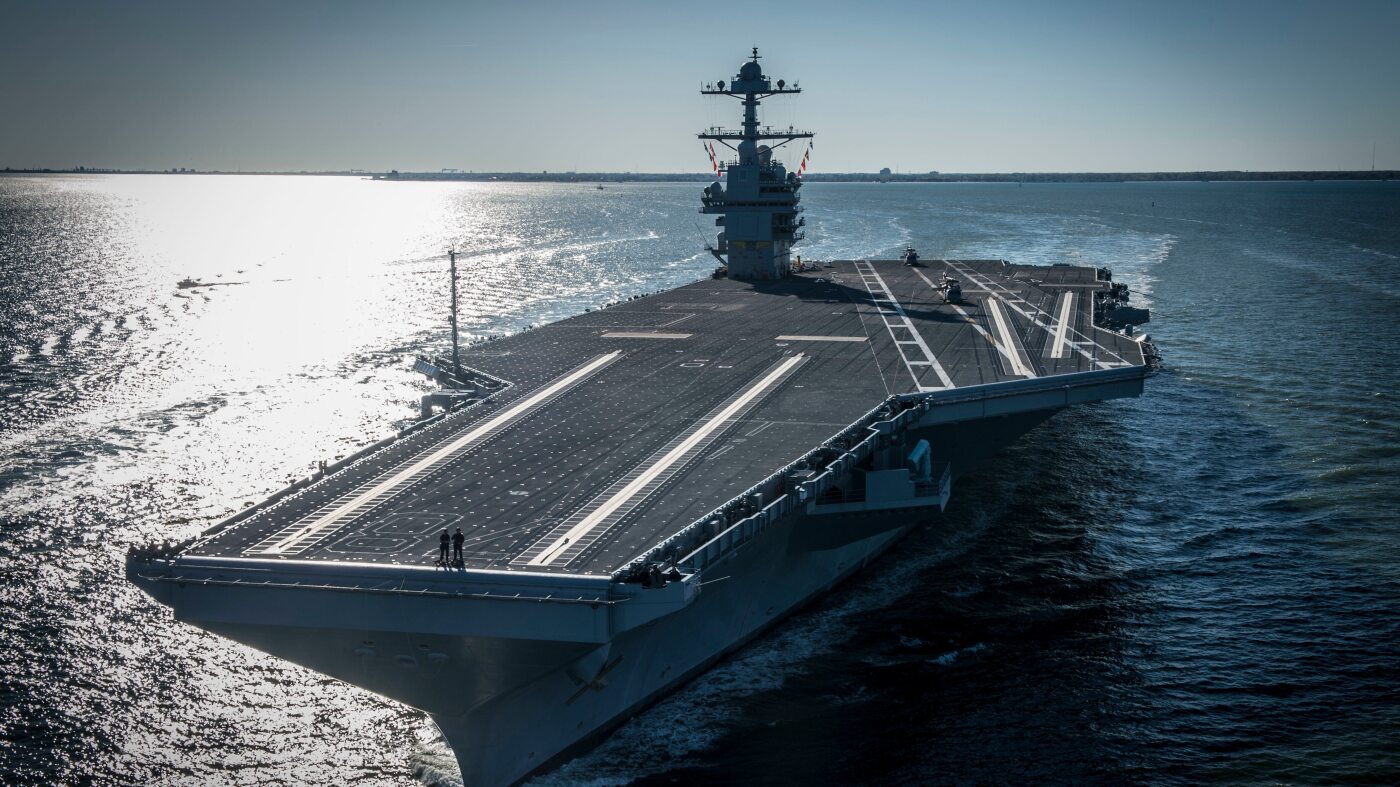
Iran and the United States have escalated tensions through military maneuvers as nuclear negotiations remain unresolved. On Thursday, Iranian forces conducted military drills in partnership with Russia, while the U.S. dispatched the USS Gerald R. Ford aircraft carrier closer to the Mediterranean Sea. These developments highlight the precarious state of relations between the two nations.
The Iranian military exercises included live-fire operations in the Strait of Hormuz, a strategic waterway crucial for global oil transport, where approximately 20% of the world’s oil passes. The U.S. military movements, including the positioning of additional warships, do not necessarily indicate an imminent strike on Iran, but they provide President Donald Trump with options should he decide to act. Trump has refrained from military action despite previously established red lines concerning Iran’s treatment of protesters and ongoing human rights abuses.
In a recent statement on his Truth Social platform, Trump suggested that should diplomatic efforts fail, the U.S. might need to utilize bases in Diego Garcia and Fairford to counter potential threats from Iran, which he referred to as a “highly unstable and dangerous regime.” This statement coincides with ongoing unrest within Iran, where citizens have been mourning victims of recent crackdowns on protests.
Military Drills and Regional Maneuvers
The military exercise conducted by Iranian forces in conjunction with Russian sailors took place in the Gulf of Oman and the Indian Ocean, according to Iran’s state-run IRNA news agency. The drill aimed to enhance operational coordination and facilitate the exchange of military experiences. Previous iterations of this exercise included participation from China, although there have been no indications of its involvement in the current exercises.
Recent surveillance revealed a Russian corvette near the Iranian port of Bandar Abbas, raising concerns about regional military collaborations. As Iran issued warnings to pilots about potential anti-ship missile launches during the drills, the presence of the USS Gerald R. Ford off the coast of Morocco highlighted the U.S. commitment to maintaining a robust military posture in the region. The carrier and its support vessels could provide critical defensive capabilities to allies such as Israel and Jordan, particularly in the event of escalating conflict with Iran.
Domestic Unrest and Human Rights Concerns
While military tensions rise, Iran grapples with significant civil unrest. Memorials honoring those killed by security forces during protests have intensified, particularly as the traditional mourning period of 40 days is observed. Witnesses and social media posts indicate that these gatherings at Tehran’s Behesht-e Zahra cemetery have featured chants against the Iranian government, despite threats from authorities.
The protests initially erupted on December 28, 2022, in Tehran’s Grand Bazaar, driven by dissatisfaction over the plummeting value of the national currency, the rial. These demonstrations escalated following calls from Iran’s exiled crown prince, Reza Pahlavi, prompting widespread unrest across the country. Official Iranian reports cite a death toll of 3,117 from the violence, while the U.S.-based Human Rights Activists News Agency estimates the figure to be over 7,000, indicating a troubling trend of human rights violations.
As both nations navigate this complex and fraught landscape, the prospect of renewed diplomatic engagement appears increasingly tenuous. The military posturing and domestic unrest in Iran underscore the urgent need for a resolution to the ongoing nuclear talks and broader regional tensions.