The Netherlands is rapidly expanding its military reserve force, aiming to more than double the number of volunteer reservists amid escalating global tensions and security threats.
In a bold recruitment surge, the Dutch government plans to grow its military personnel from 80,000 to 120,000 by 2035, with an ambitious target of 20,000 reservists by 2030. The push intensified after Queen Maxima and her eldest daughter, Princess Amalia, enlisted as volunteer reservists, igniting what officials call “the Amalia effect” — a powerful motivator inspiring thousands to join.
A State Secretary for Defense, Derk Boswijk, told The Associated Press, “We have more applications than we can handle. It’s a luxury problem.” The military is now scrambling to train, equip, and house this influx of new volunteers who come from all walks of life.
Royal Enlistment Sparks Surge in Volunteers
Photos of Queen Maxima training and aiming at a shooting range have gone viral worldwide, lending powerful royal endorsement to the military’s recruitment campaigns. These efforts span from newspapers and billboards to intense social media drives, attracting record numbers eager to serve.
Currently, the Netherlands has about 9,000 reservists. The Defense Ministry insists the growth is necessary as security threats evolve in Europe, especially with Russia’s ongoing war against Ukraine and fears in EU and NATO circles that Russian aggression could expand within the next three to five years.
Changing Military Priorities Amid Heightened Threats
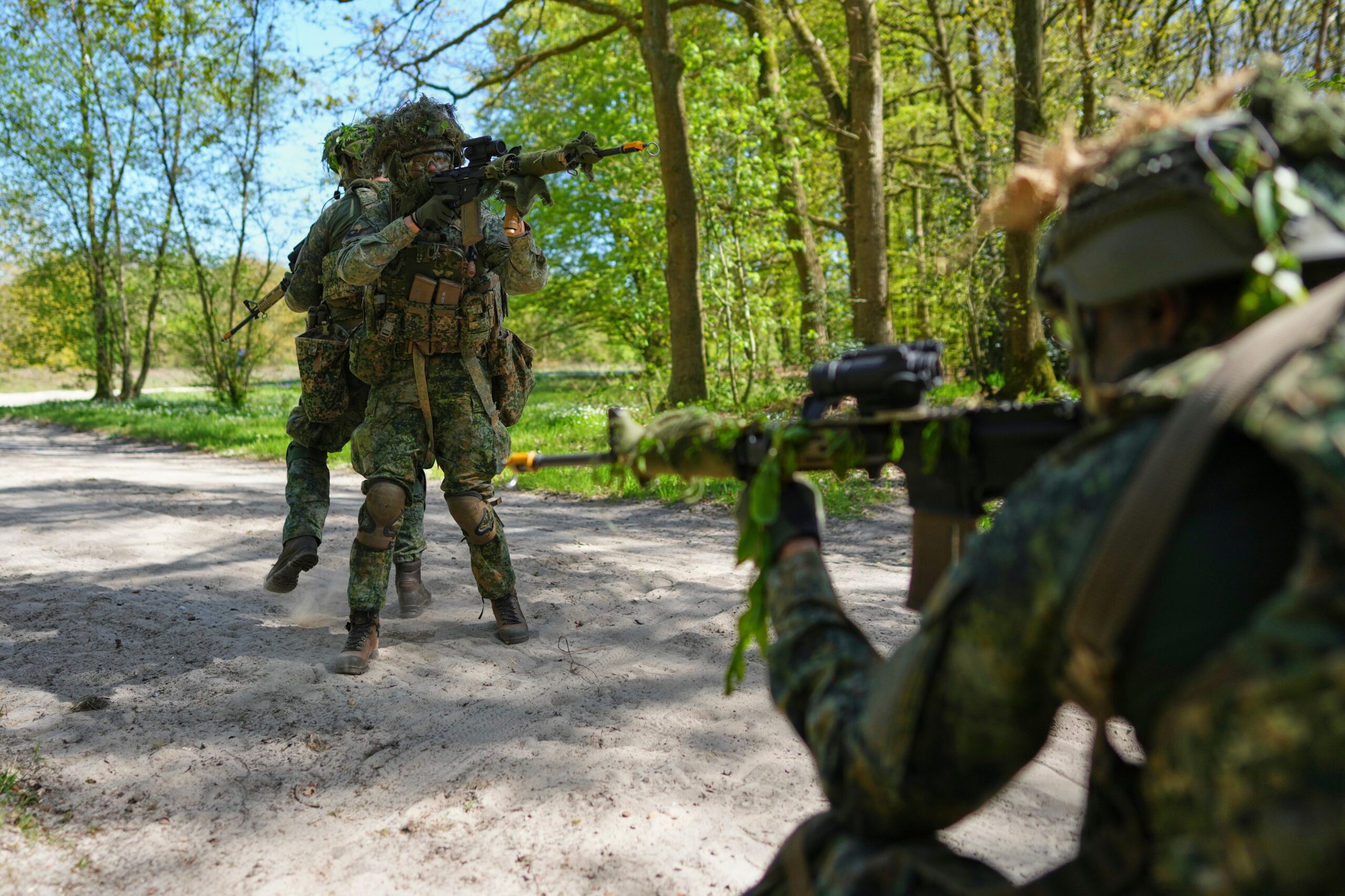
Soldiers in the reserve units, like the 10th Infantry Battalion Guard Security Corps National Reserve, are shifting focus from peacekeeping to defense readiness. A corporal in the reserves noted a dramatic change: “When I first joined, there was almost no risk or threat… now it’s changing so we are more aware of it.” The battalion now prioritizes “infantry things” to protect critical infrastructure and national security.
The reservists typically serve about 300 hours annually, including regular weekend trainings. Their roles include guarding key domestic sites and supporting national emergencies such as flood defense.
European Military Expansion Spurs Recruitment Surges
The Dutch buildup follows a broader European trend as nations recalibrate their defense strategies. Germany is proposing improved pay and terms for short-term military service to boost enlistment without reinstating mandatory conscription. France plans to recruit up to 50,000 volunteers annually by 2035 through a new 10-month service program.
Countries bordering Russia, such as Finland, Sweden, Denmark, and Latvia, have retained or reinstated drafts to counter perceived threats. The Netherlands, by contrast, maintains a suspended draft since 1997 but continues to emphasize voluntary service backed by modern recruitment incentives.
Modern Skills Valued in New Military Landscape
Besides traditional combat roles, Dutch Defense Ministry officials recognize the expanding nature of threats, including cyber and digital warfare. Officers actively encourage applicants with diverse skills — whether gamers or tech experts — to contribute to national defense.
For many recruits like Lisette den Heijer, lessons from history fuel their commitment. She recalled how quickly Nazi Germany overran the Netherlands in World War II and expressed a deep resolve to prevent any repeat invasion.
Training Bottlenecks Challenge Rapid Growth
Despite the surge of applicants, the military faces hurdles in scaling training, housing, uniforms, and equipment fast enough. Yet officials see this as a positive challenge — a sign that the Dutch population is mobilizing in response to real and growing security concerns.
As reservists break down their weekend camps after field exercises in Dutch forests, their commitment sends a clear message: The Netherlands is rising to meet modern threats with a bigger, stronger, and more ready military reserve.
For American readers monitoring security trends globally, the Dutch mobilization echoes shifting alliances and preparations that could directly impact NATO strategies and the geopolitical landscape.
“It’s very inspiring to see how members of our royal family inspired people to join our armed forces,” said Defense State Secretary Derk Boswijk.