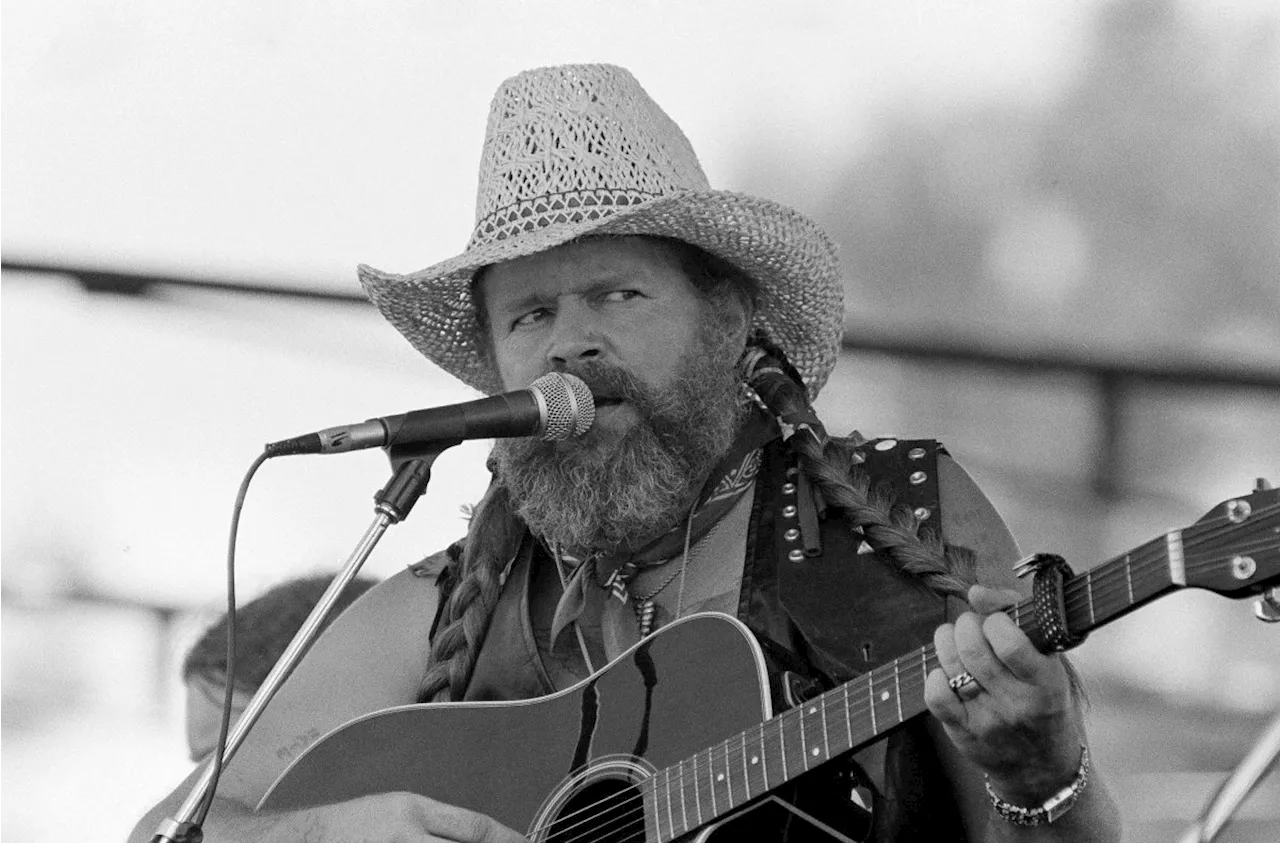
David Allan Coe, the iconic outlaw country singer-songwriter behind hits like “You Never Even Called Me by My Name” and “Take This Job and Shove It,” has died at the age of 86. His widow, Kimberly Coe, confirmed his passing on April 29, sending shockwaves through the country music community and fans nationwide.
Celebrated for his raw storytelling and rebellious spirit, Coe emerged from a troubling youth in Akron, Ohio, spending time in reform schools before serving a prison term from 1963 to 1967. It was during incarceration that Coe fully embraced music, developing the outlaw persona that would define his decades-long career.
Legendary Career Marked by Hits and Controversies
Launching his music career in Nashville, Tennessee, Coe rose to fame in the 1970s as a figurehead of the outlaw country movement alongside artists like Willie Nelson and Waylon Jennings. His song “Take This Job and Shove It” became a blue-collar anthem after Johnny Paycheck’s hit version topped charts in 1977, even inspiring a 1981 film of the same name.
Throughout his career, Coe released more than 40 albums and recorded memorable tracks including “Mona Lisa Lost Her Smile” and “Longhaired Redneck.” His music resonated with hard-working Americans craving authenticity, making his impact immediately felt across the country music world.
Widow Mourns ‘My Husband, My Confidant, My Life’
Kimberly Coe reflected, “My husband, my friend, my confidant and my life for many years. I’ll never forget him and I don’t want anyone else to ever forget him either.”
Coe’s representative told Rolling Stone, “He was one of the best singers, songwriters, and performers of our time never to be forgotten.” The statement underscores the enduring legacy Coe left behind despite his polarizing public image.
Polarizing Figure with a Troubled Past
Certain underground recordings from Coe’s late 1970s and early 1980s catalogs stoked controversy due to explicit and offensive content, including accusations of racist and misogynistic themes. While Coe denied racism, the contentious material shadowed his career and fueled ongoing debate within both the music industry and fanbase.
Later in life, Coe faced legal troubles, notably being ordered to pay nearly $1 million to the Internal Revenue Service in 2016 after obstructing investigations. He received a sentence of three years’ probation, adding to his complicated public story.
Impact and Next Steps for Fans and Industry
David Allan Coe’s death marks the end of a turbulent but influential chapter in American country music. Fans across Nevada and the U.S. are already sharing memories and tributes on social media, reflecting on how his music captured the struggles and grit of a generation.
Industry insiders expect renewed interest in Coe’s extensive discography as retrospective articles and documentaries emerge to assess his musical contributions and complex legacy. Music historians will likely reexamine his influence on outlaw country amid debates about separating art from controversy.
For now, responders and fans can look to official statements from Coe’s family and representatives as they honor a figure who embodied rebellion, resilience, and raw storytelling in the heart of American country music.