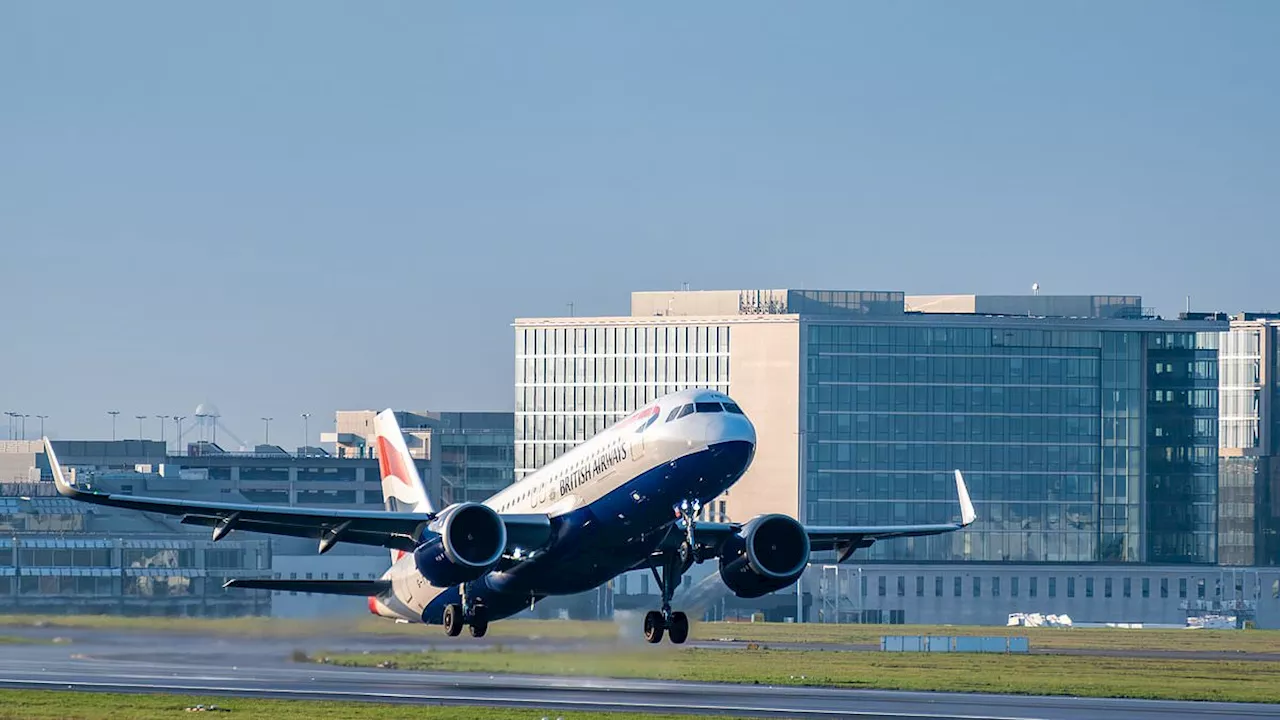
UK Airlines Granted Power to Cancel Flights Weeks Ahead to Combat Jet Fuel Shortages
The UK government has enacted emergency rules allowing airlines to cancel flights weeks in advance due to looming jet fuel shortages triggered by escalating conflict in the Middle East. The new contingency plans are designed to consolidate flights and conserve precious jet fuel amid restricted access to the Strait of Hormuz, a critical shipping route for fuel supplies.
This unexpected move is unfolding just ahead of the summer travel peak, threatening to scramble passenger itineraries across the UK and beyond. Airlines can now reallocate booked passengers onto fewer planes operating on the same day and route, allowing for maximized fuel use and fewer half-empty flights.
According to the Department for Transport (DfT), these measures aim to provide travelers with greater schedule certainty by enabling airlines to finalize flight plans earlier and reduce last-minute cancellations that typically cause airport chaos. However, opponents warn the plan risks compromising passenger rights and increasing disruption.
Opposition figures, including Shadow Transport Secretary Richard Holden, criticized the policy as a stark reminder of Britain’s vulnerability to fuel supply shocks. He urged that only a truly energy-secure country could avoid such risks. Consumer watchdog Which? voiced strong concern that the move shifts undue burden onto travelers by weakening protections and limiting compensation for short-notice cancellations.
Transport Secretary Heidi Alexander defended the strategy, emphasizing it as a necessary step to safeguard travel continuity. She stressed that while there are no immediate fuel shortages, proactive measures are critical to avoid chaotic disruptions during the summer holidays. Alexander remains confident most passengers will experience service levels comparable to previous years despite the crisis.
Broader Aviation Impact and U.S. Relevance
Fuel price pressures ripple across global airlines. Air India announced a cut of 100 flights in June and July, citing soaring jet fuel costs and airspace restrictions due to the Strait of Hormuz closure, which shows no sign of reopening soon. Its CEO, Campbell Wilson, labeled several international routes financially unsustainable amid persistent geopolitical instability.
The Strait of Hormuz remains a flashpoint in the tension between Iran and international powers, threatening energy supply lines that impact air travel worldwide, including in the United States. For Nevada travelers relying on international flight connections, the knock-on effects could complicate summer vacation plans.
Meanwhile, the UK plan faces growing scrutiny from consumer groups and politicians as they watch to see whether airlines maintain passenger convenience and uphold fair treatment while pursuing flight consolidation to offset fuel shortages.
What to Expect Next
The coming weeks are critical. British airlines will test the government’s new framework, balancing fuel efficiency against traveler disruption. Observers in both Europe and the United States will be watching closely for ripple effects in ticket availability, last-minute cancellations, and service standards during June and July’s busy travel period.
Department for Transport Statement: “This legislation equips airlines with vital tools to manage fuel supply risks effectively and protect passengers and businesses alike.”
Consumer Group Which? Response: “The new rules threaten to weaken passenger protections and unfairly tip disruption burdens onto travelers at the worst possible time.”
For U.S. consumers, these developments underscore the fragile nature of global energy supplies and how geopolitical conflicts can quickly cascade into travel disruption and higher costs. Monitoring airline policies and rights will be essential over the coming summer to navigate potential flight changes smoothly.